

Trump Postpones EU Tariffs Until July 9, European Markets Respond with Gains.
In a surprising turn of events, President Donald Trump has pushed back the looming tariff deadline for the European Union, signaling a temporary ceasefire in his volatile trade policies. Initially, Trump had threatened to slap a 50% tariff on European goods starting June 1, citing frustrations over slow-moving trade talks. This announcement rattled global financial markets and escalated a trade war that has already been marked by unpredictable shifts in U.S. tariff strategies.
However, just two days later, Trump appeared to soften his stance, granting the EU an extension until July 9. This sudden pivot is yet another example of how quickly things can change under the current administration, adding to the confusion and uncertainty already surrounding U.S. trade policies. Though the reprieve offers a breather for European businesses and investors, it also serves as a stark reminder of the president’s erratic approach to international trade.
A “Nice Call” Leads to a Temporary Delay
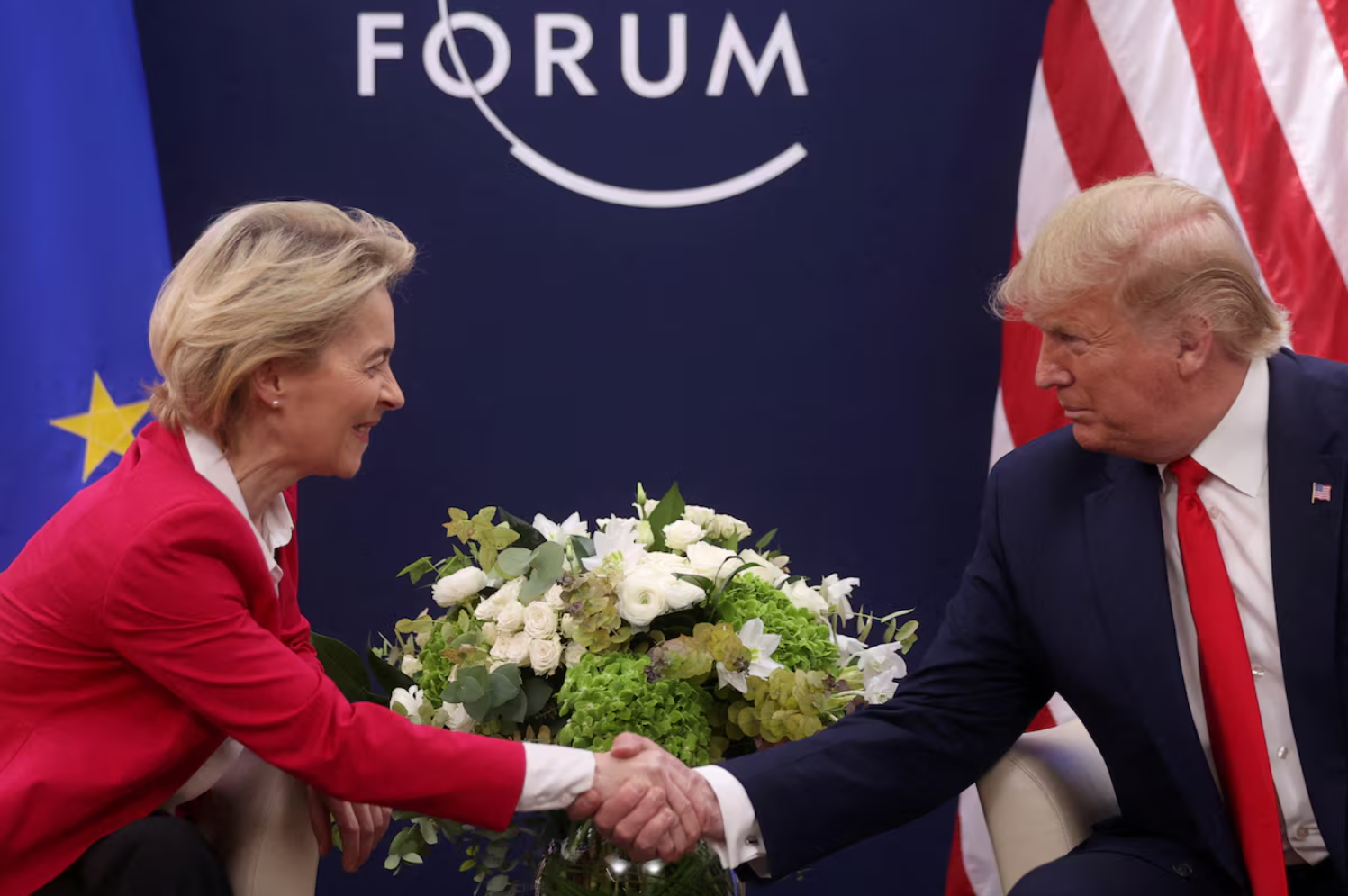
The change in course came after European Commission President Ursula von der Leyen personally requested more time during a phone call with Trump. On Sunday, she made her case, urging the U.S. president to delay the tariff implementation until July. Trump, who has long criticized the EU’s trade policies as unfavorable to the U.S., agreed to the request and confirmed the extension to the press.
“We had a very nice call, and I agreed to move it,” Trump said while returning to Washington from his weekend in New Jersey. “She said we will rapidly get together and see if we can work something out.”
Von der Leyen, echoing the president’s positive tone, tweeted that their call had been productive and that Europe was committed to moving swiftly. “Europe is ready to advance talks swiftly and decisively,” she wrote. “To reach a good deal, we would need the time until July 9.”
The Road to a Deal, Or a Breakdown?
This extension marks a brief reprieve in a trade negotiation that has struggled to find common ground. Back in April, Trump gave the EU a 90-day window to reach an agreement, with July 9 as the official deadline. However, his Friday remarks—threatening a massive tariff increase—had seemed to scuttle that timeline altogether, leaving many wondering if a deal was even possible.
So far, talks have been bogged down by conflicting demands. Washington is pushing for unilateral concessions from Brussels, looking for more market access for U.S. businesses. Meanwhile, the EU has been seeking a more balanced deal, one that benefits both sides. In the background, existing tariffs on EU goods—like a 25% levy on steel, aluminum, and cars—loom large, while additional tariffs on almost all other EU imports could jump from 10% to 20% come July.
Should negotiations fail, Trump’s threat of a 50% tariff could become a reality, raising the price of everything from German luxury cars like BMWs and Porsches to Italian olive oil and even French high-end fashion. That would likely hurt consumer demand and spike prices for U.S. shoppers.
Market Reaction: A Breather for Stocks
The delay was good news for European markets, which saw a bounce following the announcement. The pan-European STOXX 600 index climbed 1%, recovering some of the losses it suffered on Friday after Trump’s initial tariff comments. The automobile sector, particularly sensitive to tariff changes, rebounded by 1.4%, and luxury stocks—especially those that rely heavily on the U.S. market—also gained ground. Banks, another sector often affected by trade tensions, saw positive movement as well.
Oil prices edged higher too, reflecting the broader optimism in global markets.
The Big Picture: Trump’s Trade Gamble
While this latest tariff delay may offer temporary relief, the broader trade picture remains murky. Since taking office, Trump has made no secret of his desire to rewrite the rules of international trade, seeking to reshape the global economy in favor of U.S. interests. His administration has already signed trade deals with the UK and is engaged in ongoing talks with China.
But with the EU, progress has been slow—and tensions are running high. Trump’s frustration with what he perceives as Europe’s unfair trade practices has been well-documented, and his “America First” agenda continues to strain the longstanding partnership between the U.S. and the EU. The delay in tariffs gives both sides a little more time to find common ground—but with Trump’s unpredictability, no one can say for sure what comes next.
Conclusion: Stay Tuned
In the end, this tariff delay may just be another chapter in the ongoing saga of Trump’s erratic trade policies. While it offers a temporary break for European markets, it’s unclear whether a lasting resolution will come anytime soon. As the July 9 deadline approaches, all eyes will be on Washington and Brussels to see if they can finally strike a deal—or if the trade war will escalate even further.


I want to test this