
23andMe Just Sold Your DNA to Big Pharma — No Opt-In Required
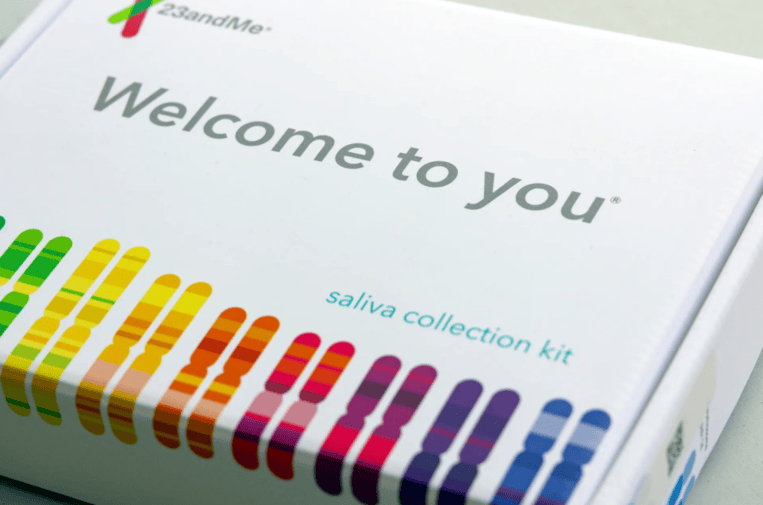
In a move that’s raising serious questions about privacy, ethics, and data ownership, genetic testing company 23andMe has officially been acquired by pharmaceutical giant Regeneron for a cool $256 million. On the surface, it looks like just another corporate buyout. But under the hood, it’s something bigger—and more unsettling. It’s a deal that turns your genetic blueprint into a private asset with zero public oversight.
Let’s be clear: Regeneron didn’t just buy a company. It bought access to over 15 million people’s DNA. And here’s the catch—no new consent was required. There were no updated terms, no user opt-ins, and certainly no public vote. Just some dotted lines and court approval. Your genome is now part of Regeneron’s portfolio.
What Did 23andMe Really Sell?
23andMe didn’t just sell a service. It sold trust. The company gained popularity by offering a window into your ancestry and health markers using nothing more than a cheek swab. It pitched empowerment, personal discovery, and control. But that promise came with fine print—fine print that many users never fully understood.
Now, that data is sitting in corporate servers, no longer bound by the mission you originally signed up for. This isn’t just about drug development. It’s about ownership—of the most personal data you have. And that data? It’s now a private commodity in the hands of a major pharmaceutical player.
From Health Insights to Market Leverage
Regeneron isn’t just eyeing better treatments. It’s positioning itself for control over pricing, patient access, and medical strategy—using information you might’ve assumed was private. Imagine a world where your own DNA is used to create therapies you’ll later pay for—at pharma-set rates.
And this isn’t speculative. In 2023, 23andMe experienced a massive data breach affecting 7 million user records, including genetic info. After the breach, the company’s value plunged, public trust tanked, and founder Anne Wojcicki stepped down. Bankruptcy proceedings soon followed—and suddenly, your DNA became a line item on an asset sheet.
The Privacy Illusion is Officially Over
You might have thought you were unlocking your family history. In reality, you became a data point—part of a digital profile that can be copied, monetized, and shared. The courts approved the Regeneron buyout, but users were never consulted. This raises urgent questions about what it means to own your own biology in the 21st century.
This isn’t just about corporate control. Governments and AI companies are circling, too. “Anonymized” DNA? That’s a myth. With a surname and a genealogy site, entire bloodlines can be tracked. Once this data merges with AI models, medical records, and location data, the result isn’t just loss of privacy—it’s a loss of autonomy.
A New Frontier in Health Surveillance
There’s been a slow normalization of data surveillance. We’ve grown used to our phones tracking us, our purchases being profiled, and our habits feeding algorithms. But this is different. This is your biology. It’s the basis of how you’ll be treated, insured, and possibly even judged.
And once pharma companies begin integrating this genetic data into their R&D pipelines—especially in partnership with AI systems—the implications become even more concerning. It’s no longer just about your current health. It’s about predictive modeling of your behavior, your risks, and your future cost as a patient.
The Bottom Line: Your DNA Is Now a Corporate Asset
We’re entering a post-consent era of digital life, where biometric data is seen as just another data stream—harvested, monetized, and leveraged without your say. And with no legislative guardrails firmly in place, it’s unclear where the limits are.
The 23andMe-Regeneron acquisition isn’t just a business deal. It’s a turning point. Your genetic identity is now part of a market strategy, and the public was never part of the conversation.